
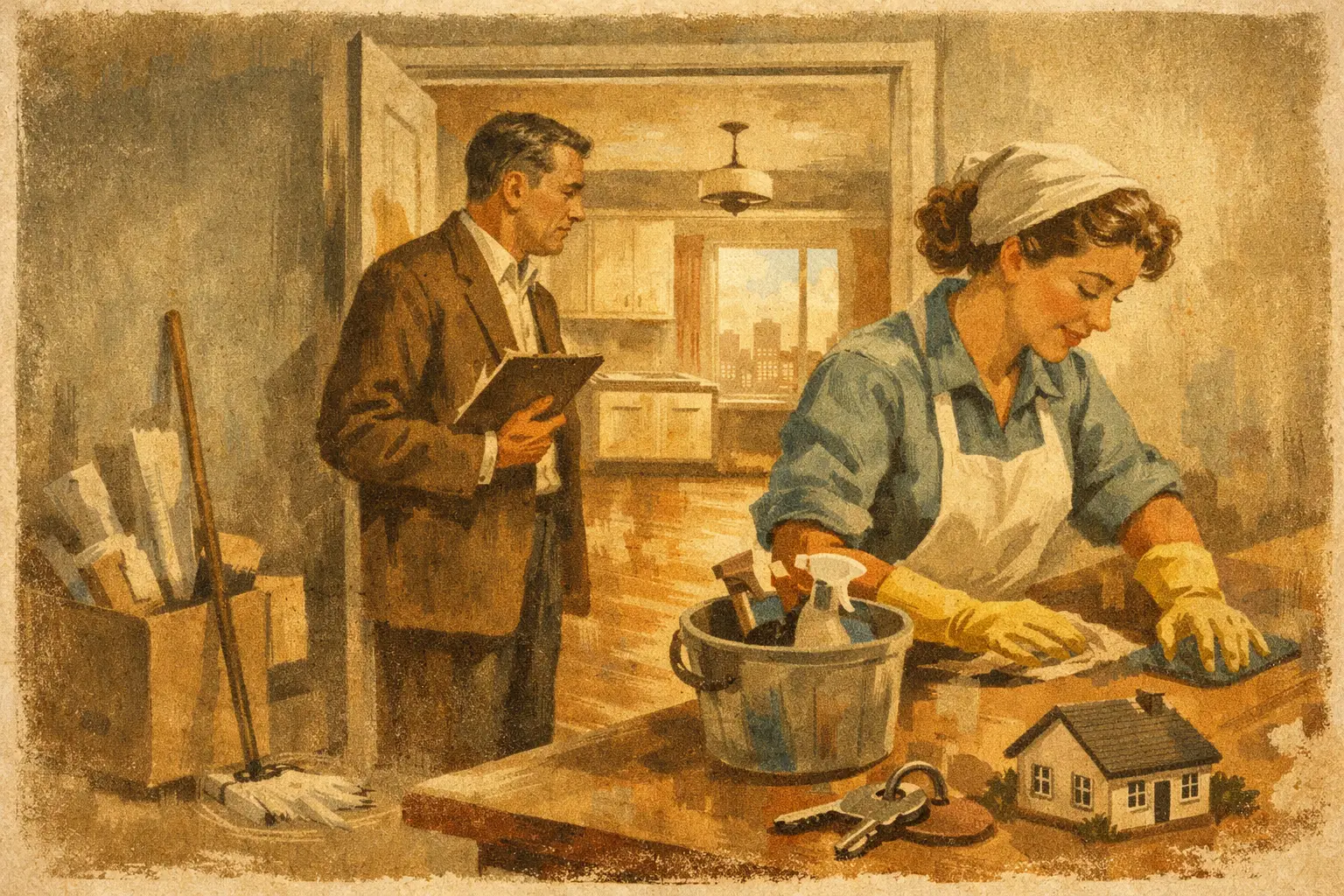
A vacant unit can look acceptable at first glance and still fail the standard that matters: whether the next tenant walks in feeling they are getting a clean, cared-for home. Move out cleaning for landlords is not a quick wipe-down between leases. It is the reset that protects your property, shortens turnover friction, and prevents small cleaning issues from becoming move-in complaints.
For landlords, property managers, and owners of rental homes across North and Central New Jersey, a documented, professional cleaning process creates a clearer handoff. The previous tenant has moved out. Your unit needs to be ready for inspection, repairs, showings, and the next lease without uncertainty about what was overlooked.
Why Move Out Cleaning for Landlords Pays Off
Turnover days are expensive. Every additional day a property sits unlisted, unshowable, or not ready for a new resident can affect rental income. Cleaning is only one part of turnover, but it is often the part that determines whether everything else can move forward on schedule.
A properly cleaned property photographs better, shows better, and gives maintenance teams a clear view of its actual condition. Dust, grease, soap residue, and debris can hide chipped surfaces, slow leaks, damaged flooring, or appliance issues. Once the unit is reset, you can inspect it properly and decide what needs repair before a new tenant finds it first.
There is also a reputation issue. New tenants notice the details immediately: crumbs in drawers, grease around the range, residue in the shower, dirt along baseboards, or a refrigerator that was never cleaned inside. Those details can set the tone for the entire tenancy. Starting with a professionally cleaned home makes your expectations clear from day one.
A Turnover Clean Is Different From Routine Cleaning
A standard cleaning is designed to maintain a home that is already being lived in. A move-out service is designed to remove the buildup left behind after a tenant has emptied the space. It requires more time, more detail, and a defined scope.
The highest-value work is usually in kitchens and bathrooms. Kitchen cabinets and drawers need to be emptied and wiped, not simply cleaned around. The inside of the refrigerator, oven, microwave, and dishwasher often require attention because these areas are easy to ignore during everyday cleaning. In bathrooms, buildup around faucets, tubs, toilets, grout lines, and vanity storage can make an otherwise solid unit look neglected.
The rest of the property needs the same disciplined approach. Floors should be vacuumed and mopped according to the surface. Baseboards, doors, trim, light switches, and reachable ledges should be addressed. Interior windows, blinds, and vents may be appropriate depending on the property condition and the agreed scope. A reliable cleaning provider will explain what is included before work begins instead of leaving you to discover gaps afterward.
What Landlords Should Handle Before the Cleaning Team Arrives
Cleaning crews work best when the unit is vacant and access is simple. Remove tenant belongings, trash, and abandoned furniture before the appointment. A cleaner can remove ordinary dust and debris, but hauling large items or sorting personal property is a separate task that can delay the job.
Utilities should remain on. Water and electricity are necessary for bathrooms, appliances, vacuuming, and floor care. If the heat or air conditioning can be maintained at a reasonable temperature, that also helps the team work efficiently and allows cleaning solutions to perform as intended.
If there are known issues, communicate them early. A broken disposal, leaking toilet, mold concern, pest issue, pet damage, heavy nicotine residue, or construction dust may require a different plan. Cleaning is not a substitute for remediation or repair. Being direct about the condition of the unit prevents unrealistic expectations and avoids last-minute scheduling problems.
The Areas That Deserve a Landlord-Level Inspection
A tenant may clean enough to meet a basic move-out obligation, but that does not always mean the property is ready to show. Before scheduling photos or handing over keys, inspect the spaces prospective renters will judge most closely.
Kitchen
Open every cabinet and drawer. Check corners, handles, shelves, and the space beneath the sink. Inspect the oven, cooktop, range hood, microwave, refrigerator, and dishwasher inside and out. Grease and food residue are not just cosmetic - they create odors and make an otherwise updated kitchen feel poorly maintained.
Bathrooms
Look at the toilet base, tub or shower edges, glass doors, fixtures, vanity drawers, mirrors, and flooring. Mineral buildup and soap scum are common, especially in units that have been occupied for several years. A clean bathroom should look sanitary, dry, and ready to use, not merely free of visible belongings.
Floors, Walls, and Details
Floors should be free of loose debris, sticky residue, and hair. Vacuuming alone is not enough for hard surfaces. Check baseboards, door frames, switch plates, closet shelves, and window sills, especially in corners and high-touch areas. Cleaning can improve the presentation of scuffed walls, but it will not repair paint damage. Plan touch-ups after cleaning, when the true condition is easier to see.
When Add-On Services Make Sense
Not every unit needs the same scope. That is why landlords should avoid a one-size-fits-all expectation. A lightly used apartment with a careful tenant may need a focused deep clean. A home that housed pets, children, smokers, or long-term residents may need additional work.
Carpet cleaning is often worth adding when carpeting has visible traffic patterns, pet hair, lingering odors, or stains that vacuuming cannot remove. It should be scheduled with enough drying time before showings or move-in. Organization services can also help when a unit includes storage areas, utility rooms, or built-ins that need to be reset after a messy departure.
Be realistic about what cleaning can accomplish. Permanent stains, damaged grout, burned appliances, scratched floors, cracked tile, and heavy odor problems may require restoration, painting, replacement, or specialized treatment. A professional cleaner should identify those limits clearly rather than promising results that the condition of the property cannot support.
Build Cleaning Into Your Turnover Process
The best time to think about cleaning is before the tenant leaves, not after your showing schedule is already booked. Include move-out condition expectations in your lease and provide tenants with a clear cleaning checklist ahead of their departure. This helps reduce disputes and gives you a consistent standard for assessing the unit.
Once keys are returned, use a simple sequence: document the condition, remove remaining items, complete repairs, schedule the detailed cleaning, perform a final walkthrough, then photograph and show the property. In some cases, repairs should happen before cleaning. In others, cleaning first exposes issues that must be repaired. It depends on the type of work required, but the order should be intentional.
A professional cleaning partner should make that process easier. Look for clear pricing, defined inclusions, insured and background-checked staff, dependable arrival windows, and a redo policy if the completed work does not meet the agreed standard. Bargain quotes can be tempting during turnover, but vague scopes often produce vague results. The cheaper appointment is not a savings if you need to clean the unit again before move-in.
A Clean Unit Sets the Standard
A move-out clean is one of the most visible investments you can make between tenants. It protects the presentation of the property, supports a faster turnover, and tells incoming residents that the home has been prepared with care.
Best Maids Ever approaches vacant-property cleaning with the same structured mindset used for deep cleaning: clear scope, detail-focused work, and no surprise upsells. Whether you manage one rental home or several units, the goal is simple - hand over a property that looks ready, feels clean, and gives the next tenant every reason to treat it well.