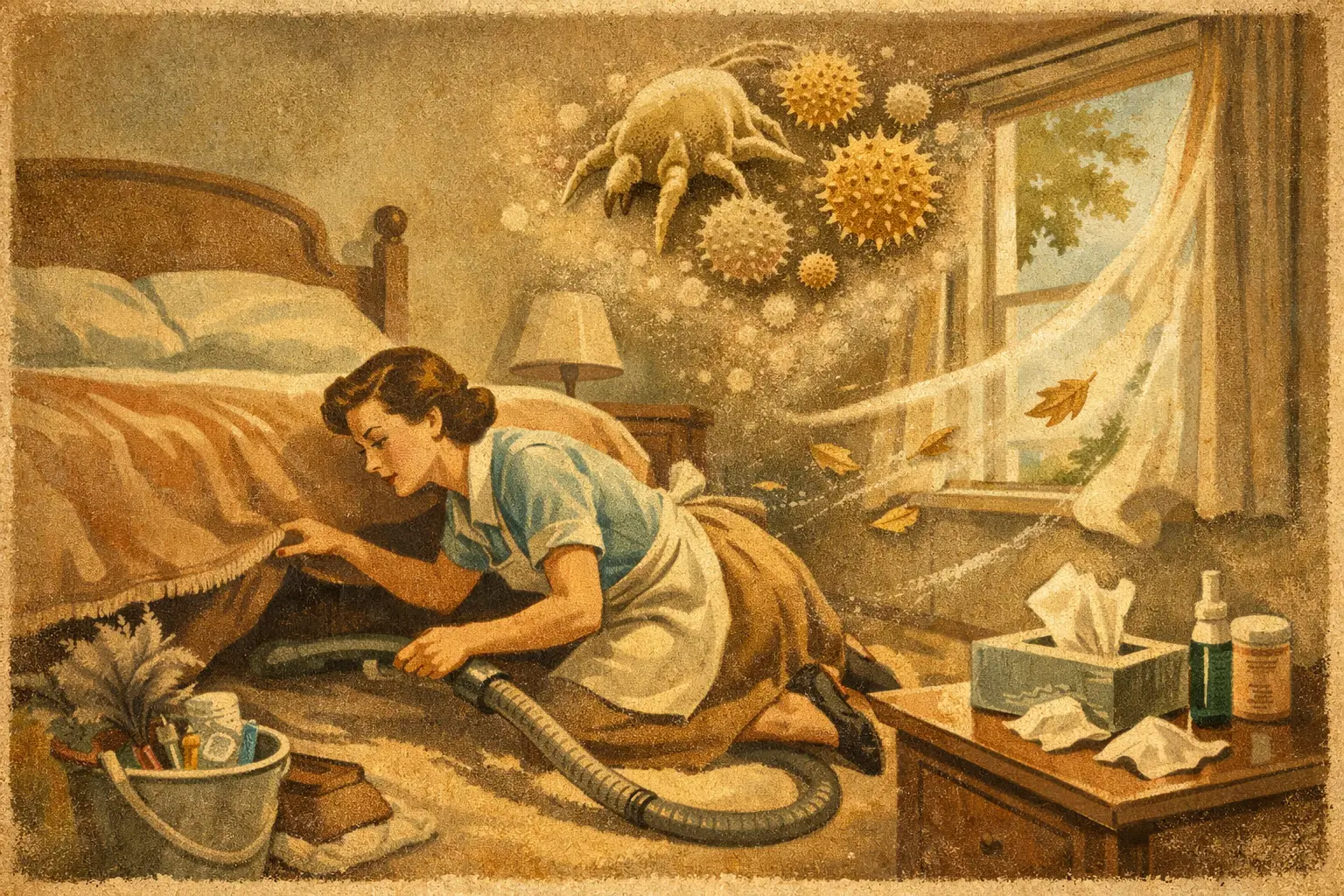
A home can look clean and still hold the particles that make allergy symptoms worse. Deep cleaning for allergies targets the places routine cleaning misses: the fabric, floors, vents, corners, and hidden surfaces where dust, pet dander, pollen, and mold-friendly moisture collect. For busy households, the goal is not perfection. It is reducing the allergen load so your home is easier to live in.
Why Routine Cleaning Is Not Enough for Allergies
A quick vacuum, wiped counter, and tidy living room can make a house presentable. They do not necessarily remove what is trapped below the surface. Allergens settle into carpets, upholstery, bedding, baseboards, blinds, and the narrow gaps behind furniture. Each time someone walks across a rug, sits on a sofa, opens a window, or turns on the HVAC system, some of those particles can move back into the air.
That is why allergy-focused cleaning requires more than a standard reset. It needs a method. The work should move from high surfaces to low surfaces, capture particles instead of scattering them, and address the rooms where people spend the most time.
Cleaning will not cure seasonal allergies, asthma, or other medical conditions. It can, however, reduce common indoor triggers. For many families, that means fewer dusty surfaces, less pet hair under furniture, and a bedroom that feels more comfortable at night.
What Deep Cleaning for Allergies Should Target
The most useful allergy cleaning plan focuses on reservoirs, not just visible dirt. A reservoir is any surface that holds particles until they are disturbed. Soft furnishings are usually the biggest issue, but hard-to-reach edges matter too.
Bedrooms Need the Strongest Reset
People spend hours in their bedrooms with their faces close to pillows, mattresses, and fabric. Start with washable bedding, including pillowcases, sheets, blankets, comforters, and mattress covers. Follow care labels and use the warmest water setting the fabric allows.
Then address the rest of the room. Vacuum the mattress surface and upholstered headboard if applicable. Dust ceiling-fan blades, window sills, blinds, baseboards, and the tops of doors. Vacuum beneath the bed and along every perimeter edge. These areas are easy to skip during regular upkeep and can hold a surprising amount of dust.
If a bedroom has heavy carpeting, a professional carpet cleaning add-on can be worthwhile, especially after a pet accident, a high-pollen season, or a long stretch without a true deep clean. It depends on the carpet material, its condition, and how much moisture it can safely handle. Carpet cleaning is not a substitute for regular vacuuming, but it can remove embedded soil that a vacuum cannot reach.
Living Areas Hold Fabric and Pet Dander
Sofas, chairs, rugs, curtains, throw pillows, and pet beds collect fibers, skin flakes, and dander. Vacuum upholstery using the proper attachment, including under cushions and along seams. Move lightweight furniture when possible so the floor underneath is actually cleaned rather than simply cleaned around.
Pet households need a more disciplined schedule. Brushing pets regularly, washing pet bedding, and keeping pets off beds can reduce what reaches sleep spaces. That does not mean every family needs to ban a beloved dog or cat from the couch. It means the cleaning routine has to match the household's reality.
Kitchens and Bathrooms Require Moisture Control
Dust is not the only allergy concern. Bathrooms, kitchens, laundry areas, and basements can develop mildew or mold when moisture is left unmanaged. Clean and dry shower walls, tub surrounds, sink edges, grout, and the area around toilets. Check under sinks for slow leaks and use exhaust fans during and after showers.
In the kitchen, clean the refrigerator interior, cabinet fronts, backsplashes, floors, and the crumbs that collect beneath small appliances. Food residue attracts pests, and pest debris can also aggravate allergies for some people. A true first-time deep clean should include interior appliance cleaning rather than treating it as a surprise extra.
The Right Cleaning Method Matters
Aggressive dusting can make a problem worse if it sends particles into the air. Dry feather dusters and harsh sweeping often redistribute dust instead of removing it. Use a damp microfiber cloth for hard surfaces and a vacuum with effective filtration for floors, rugs, upholstery, and crevices.
Work from the top of the room down. Ceiling fans, vents, ledges, and blinds come before furniture and floors. That order prevents freshly cleaned floors from catching dust that falls later. Finish with vacuuming, then mop hard floors with a product appropriate for the surface.
Fragrance is another consideration. A strong-scented cleaner may make a room smell freshly cleaned, but fragrance can be irritating for people with sensitivities. The best product is not always the strongest-smelling one. A properly selected eco-friendly cleaning option can be a sensible choice when a household wants effective cleaning with fewer harsh odors. Results still depend on correct dwell time, proper tools, and thorough removal of residue.
A Practical Schedule That Busy Households Can Keep
For most homes, the first reset takes the most work. Once dust, buildup, and overlooked areas have been addressed, regular maintenance becomes far more effective. Weekly or bi-weekly service is often the best fit for homes with pets, young children, heavy foot traffic, or family members who are particularly sensitive to allergens. Monthly service can work for lighter-use households that maintain key areas between visits.
Between professional cleanings, keep the routine simple. Wash bedding consistently, vacuum high-traffic floors, wipe pet hair from upholstery, and deal with spills or moisture quickly. Replace or clean HVAC filters according to the manufacturer's recommendations, and keep windows closed on high-pollen days when practical. If you use an air purifier, place it where people sleep or spend the most time rather than treating it as a whole-home solution.
There is no single schedule that fits every property. A one-bedroom apartment without pets needs a different plan than a four-bedroom home with two dogs, wall-to-wall carpet, and kids coming in from sports practice. The right standard is straightforward: if dust returns quickly, symptoms feel worse indoors, or cleaning keeps getting pushed off, the home needs a stronger reset and more consistent maintenance.
When Professional Cleaning Makes Sense
Professional cleaning is most useful when the home has fallen behind, a household is moving in or out, allergy season is approaching, or regular cleaning has become another unfinished task. The benefit is not just labor. It is a defined process that reaches the areas people commonly miss and establishes a clean baseline for ongoing service.
For New Jersey households, pollen can be tracked in through shoes, open windows, pets, and busy daily routines. A structured deep clean can remove the built-up layer from floors, baseboards, blinds, upholstery, bathrooms, and kitchens before it becomes part of the weekly cycle.
Best Maids Ever begins recurring service with a First-Time Deep Clean because maintenance cleaning works best after the home has been properly reset. The approach is clear: establish the standard first, then maintain it consistently. Insured, background-checked staff and a redo guarantee give customers a dependable process, not a vague promise to clean better next time.
Do Not Wait for the Dust to Look Obvious
Allergen control is often about the surfaces you do not notice until they have been neglected for months. Start with the bedroom, target soft surfaces and floor edges, control moisture, and build a cleaning schedule that your household can actually sustain. A cleaner home should not require sacrificing every weekend to catch up.