
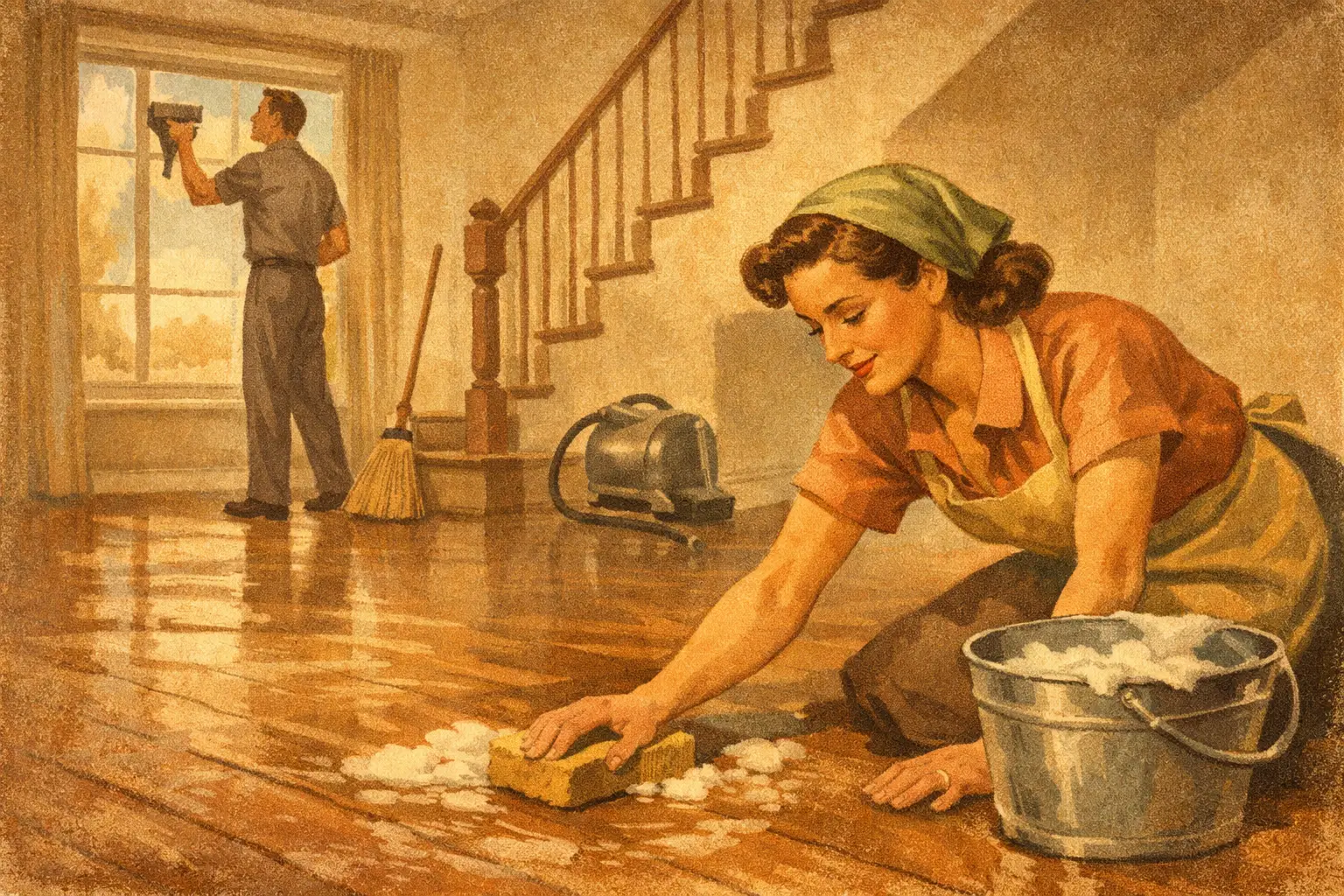
The best time to clean a home is when there is nothing in it. No furniture to move, no boxes blocking corners, and no need to work around a family’s schedule. Cleaning an empty house before move in gives you one chance to reset every surface before your belongings, groceries, rugs, and daily routines fill the space.
A home can look vacant and still need serious attention. Dust settles after construction or painting. Kitchen cabinets hold crumbs and residue from the previous occupants. Bathrooms can have buildup in places that are easy to miss during a showing. A proper move-in clean is not about making a home look presentable for an hour. It is about making it feel genuinely ready to live in.
Why an Empty Home Needs a Deep Clean
Move-in day creates a false sense of urgency. Many people focus on getting keys, coordinating movers, and unpacking essentials. Cleaning gets pushed into the evening, when the floors are covered with cartons and the bathroom is already in use. That is the hard way to do it.
An empty home gives you full access to the areas that matter most: baseboards, closet shelves, cabinet interiors, appliance interiors, vents, window tracks, and floors under where furniture will sit. These are the surfaces that become inconvenient or nearly impossible to reach once the home is furnished.
It also gives you a clean baseline. When the kitchen, bathrooms, and floors are professionally reset before you arrive, regular maintenance becomes easier. You know what condition the home started in, and you are not trying to clean around someone else’s leftover buildup for the next six months.
What to Clean Before Moving Furniture Inside
Start with high-touch and high-use areas, then work from the top of each room down to the floor. Cleaning in the right order prevents rework. There is little value in mopping first if cabinet dust and ceiling debris will land on the floor afterward.
Kitchen: Clean Every Surface That Touches Food
The kitchen deserves the most detailed attention because it has the most hidden surfaces. Wipe and disinfect cabinet shelves, drawers, handles, countertops, backsplash, sink, faucet, and pantry shelving. Check the top of upper cabinets, which often collect a sticky layer of dust and cooking residue.
The refrigerator, oven, microwave, and dishwasher should be cleaned inside as well as outside. Interior appliance cleaning matters during a move-in clean because these are the places where food, grease, and odors linger. Run the dishwasher empty after cleaning its filter area, and make sure refrigerator drawers and seals are free of crumbs or moisture.
If the oven has heavy baked-on grease, this may require more time than a standard wipe-down. That is normal. A quality deep clean should account for condition, not pretend every empty kitchen needs the same amount of work.
Bathrooms: Reset the Room Before You Use It
Bathrooms can appear clean under bright lights while still holding soap residue, mineral deposits, hair, and grime around fixtures. Clean and disinfect the toilet, tub, shower walls, shower door, vanity, sink, faucet, mirrors, shelves, and floor edges.
Pay close attention to shower grout, caulk lines, drains, toilet bases, and the underside of the toilet seat. These are not glamorous details, but they are exactly what separates a quick surface clean from a true move-in reset.
Hard-water buildup is common in New Jersey homes and may not come off with one pass of a general cleaner. In some cases, stained grout, etched glass, or damaged caulk will need repair rather than more aggressive scrubbing. Cleaning should improve the space, not risk damaging it.
Bedrooms, Living Areas, and Closets: Remove What You Cannot See Later
Dust ceiling fans, light fixtures, vents, blinds, window sills, baseboards, doors, trim, and closet shelving before any furniture arrives. Wipe switch plates and door handles, especially in a home that has been shown frequently or recently renovated.
Closets are often skipped because they are empty, but they should be cleaned before clothes and linens are stored inside. Vacuum corners and shelf edges, wipe rods and shelving, and check for signs of moisture, pests, or adhesive residue. If you find a maintenance issue, document it before moving in.
For floors, vacuum thoroughly first, including edges and corners. Then mop hard floors with the correct product for the material. Wood, laminate, vinyl, tile, and natural stone do not all respond well to the same cleaner. Saturating a wood or laminate floor can cause more problems than it solves.
A Practical Order for Cleaning an Empty House Before Move In
A disciplined sequence keeps the job efficient. Begin by removing leftover trash, packing materials, nails, and debris. Then dust high surfaces, clean appliances and cabinets, fully clean bathrooms, wipe walls where needed, and finish with floors.
Before calling the job complete, use a room-by-room final check. Open drawers and cabinets. Look behind doors. Turn on lights and inspect fixtures. Run water in sinks and showers. Check that toilets flush and that appliances are empty. Cleaning often reveals maintenance concerns early, which is far better than discovering them after a couch is in place or a pantry is full.
If painters, contractors, or flooring installers are still scheduled, wait until their work is finished for the final cleaning. Construction dust travels farther than most people expect. You may need a light touch-up after movers leave, but the deep clean should happen after all major work and before the home is furnished.
Should You Clean It Yourself or Hire a Professional?
It depends on the home’s condition, your timeline, and your tolerance for detail work. A small, well-maintained apartment may be manageable if you have a full day, the right supplies, and no competing move tasks. A larger home, a house with prior occupants, or a property that has been vacant during repairs usually calls for more time than people expect.
Hiring a professional cleaning team is especially useful when you need the work completed on a set schedule. You should know what is included before booking: cabinet and drawer interiors, appliance interiors, bathrooms, baseboards, floors, and final detail work should not be vague add-ons that appear later as surprise charges.
At Best Maids Ever, a first-time deep clean is designed to establish that reset. The same principle applies to move-in service: get the home fully clean before you begin maintaining it. Insured, background-checked staff and a clear redo guarantee matter when you are handing over access to a new home and expecting a specific standard.
Do Not Forget the Details That Affect Move-In Day
Cleaning is only one part of preparing an empty house, but it supports everything else. After the home is clean, replace toilet seats if desired, change air filters, test smoke and carbon monoxide detectors, and locate shutoff valves and the electrical panel. These tasks are easier in an empty home and help you avoid preventable surprises later.
Leave a small move-in kit accessible instead of burying it in a box. Include toilet paper, hand soap, paper towels, trash bags, a multipurpose cleaner, a vacuum, and a few basic tools. Even the cleanest home will need a quick wipe after movers come through.
A clean move-in is not about perfection for its own sake. It is about beginning with control. When the cabinets are clean, the bathrooms are sanitized, and the floors are finished before the first box arrives, the house stops feeling like someone else’s property and starts feeling like yours.